NatureBrilliant
3.8 Billion Years of Life's Design Excellence
The living world is not a backdrop.
It is the greatest library of innovation Earth has ever known.
Tested, refined, and proven through 3.8 billion years of evolution — and largely unread.
3.8 Billion Years of Life's Design Excellence
The living world is not a backdrop.
It is the greatest library of innovation Earth has ever known.
Tested, refined, and proven through 3.8 billion years of evolution — and largely unread.
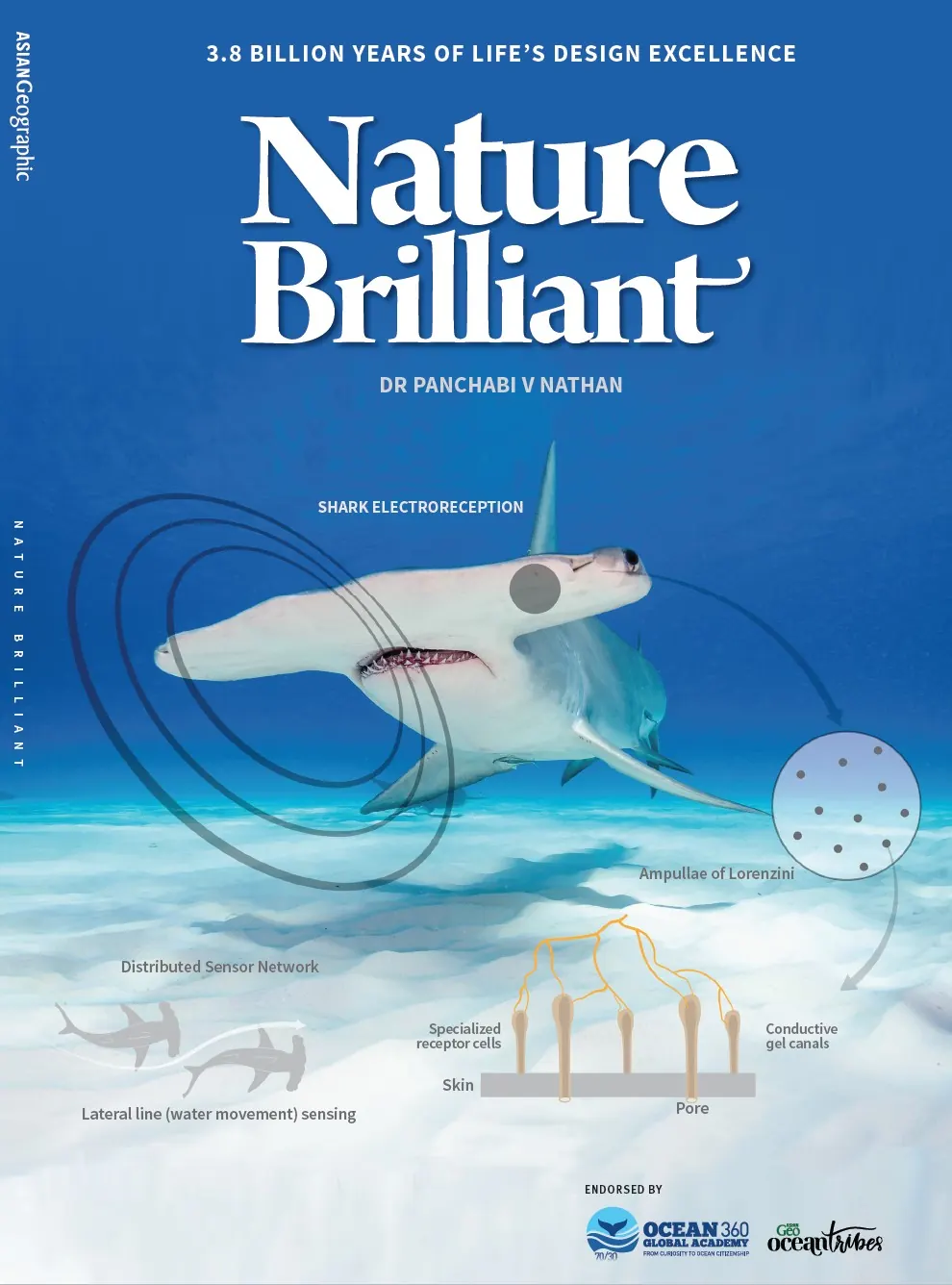
Eight chapters. Forty subjects — from spider silk to the kingfisher's beak. Each follows the same arc: wonder, then mechanism, then application.
Written by Dr. Panchabi V. Nathan · Illustrated by Ana Bigio · 105 pages
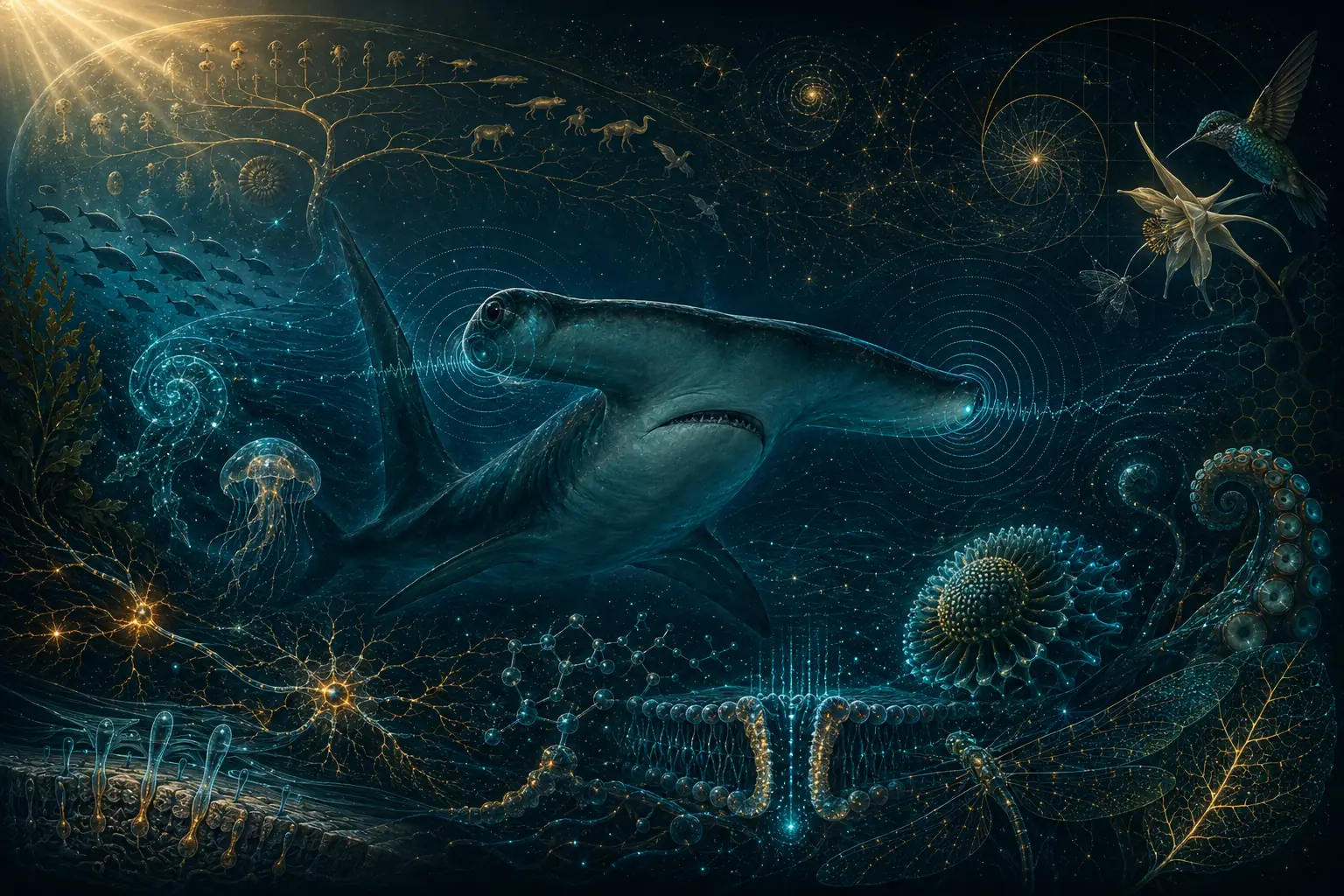
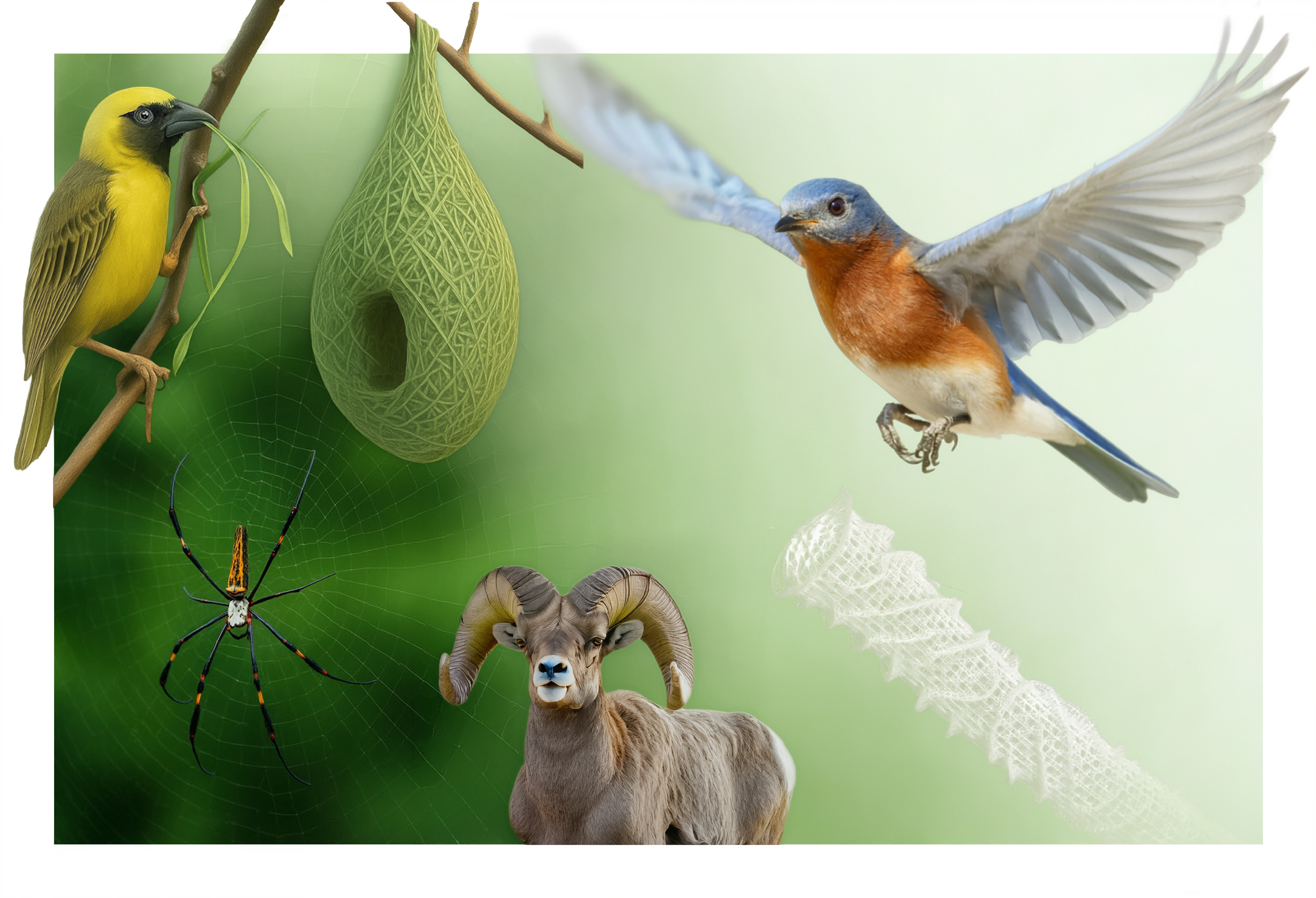
Illustration: Ana Bigio
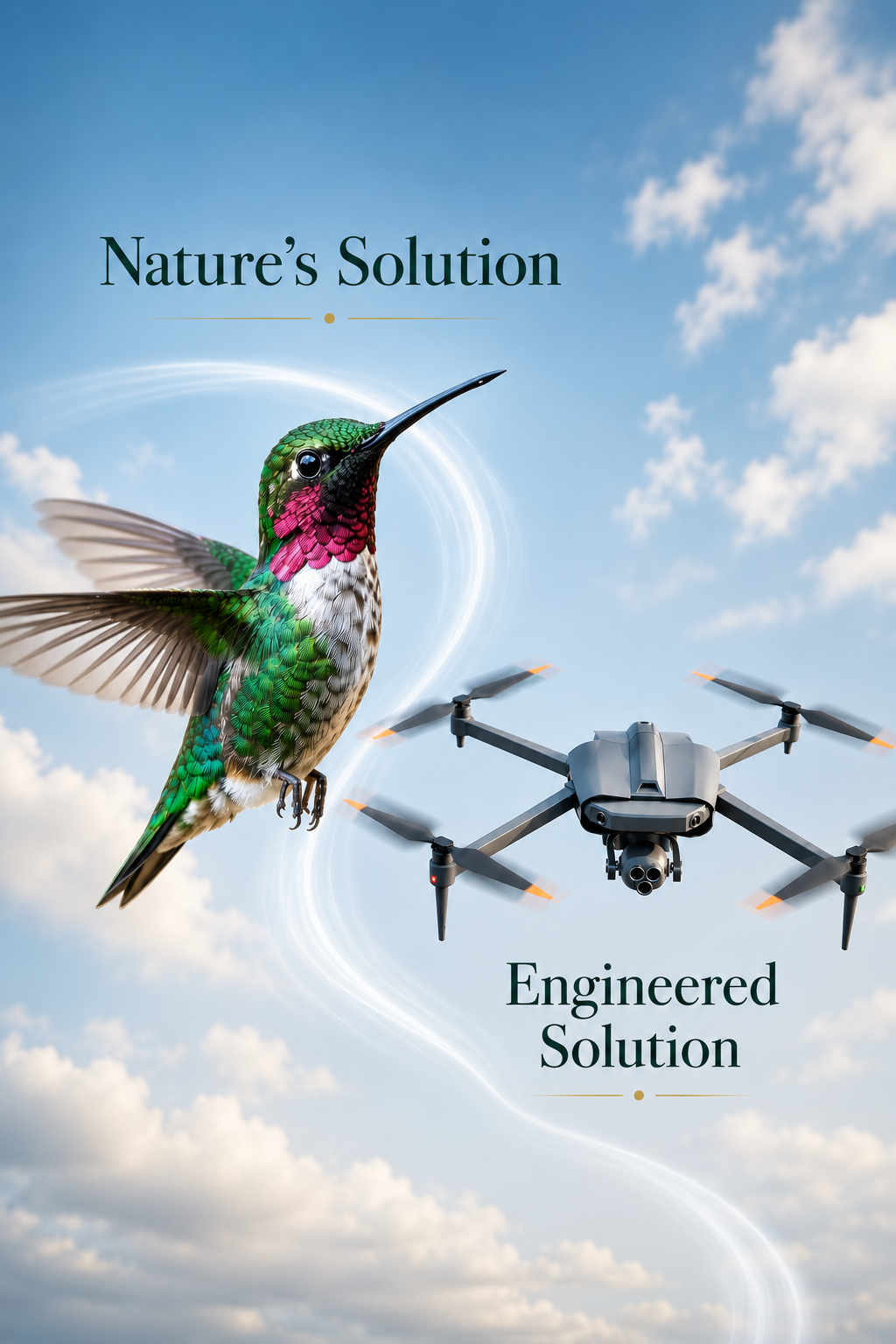
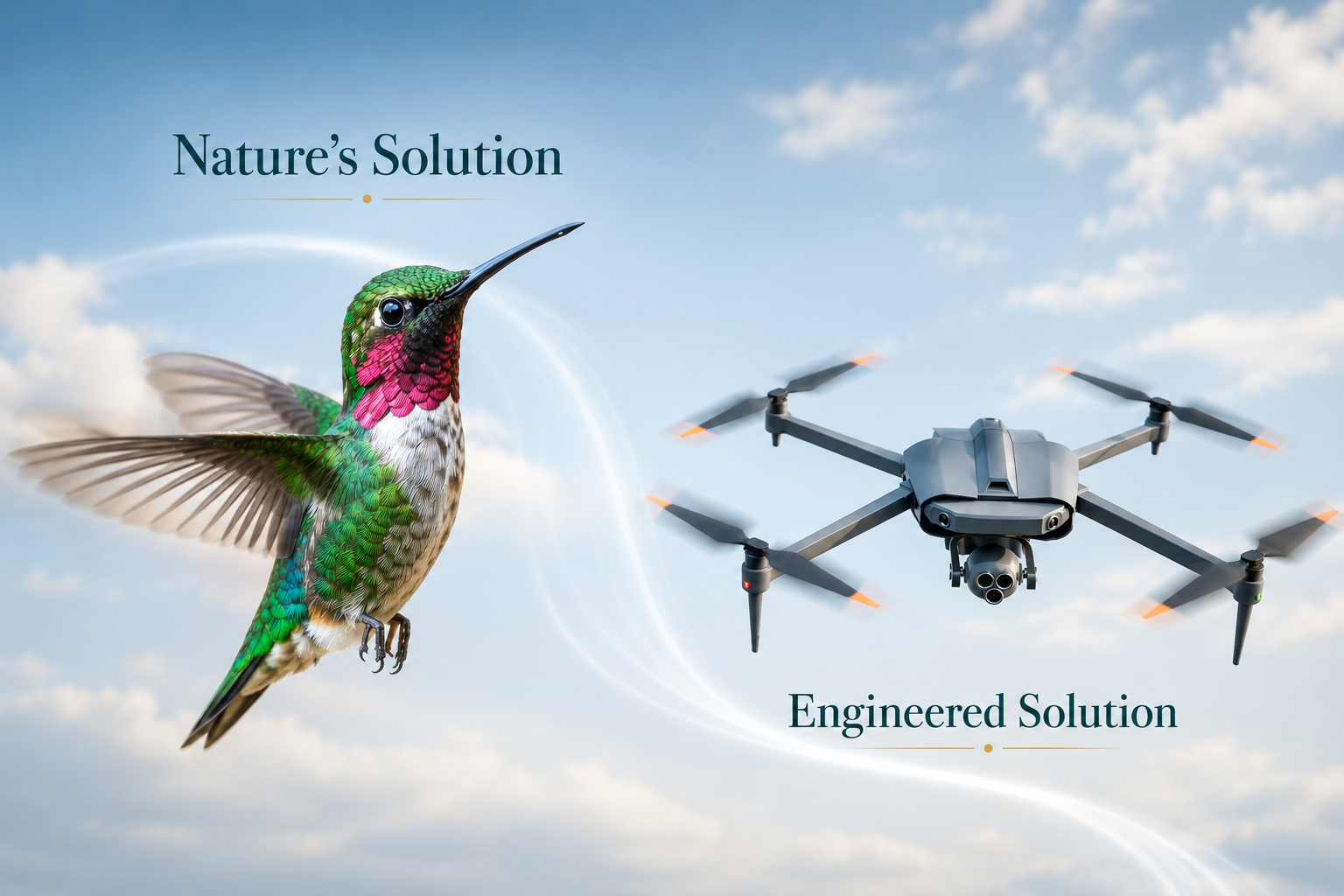
The hummingbird in that illustration demonstrates flight capabilities our most advanced drones can barely approach — while crossing the Gulf of Mexico on less fuel than fills a thimble. The spider's web achieves strength-to-weight ratios that shame aerospace carbon fibre, produced at room temperature with no toxic byproducts. A pencil-thick strand could stop a Boeing 747.
Nature Brilliant is a book about what we can learn from the living world — and what we lose forever when we fail to protect it. Eight chapters. Eight domains where life has quietly outpaced our most advanced technologies.
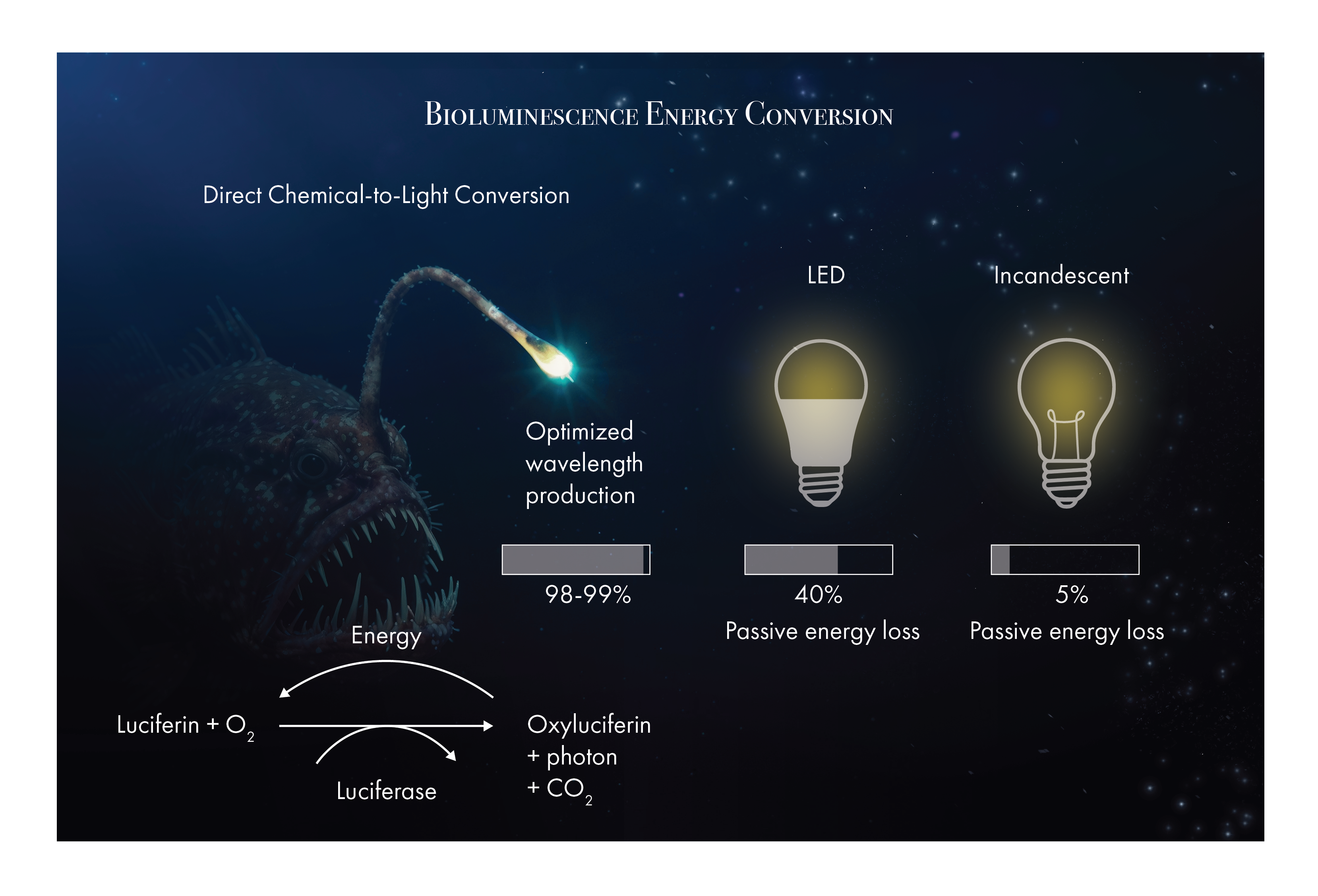
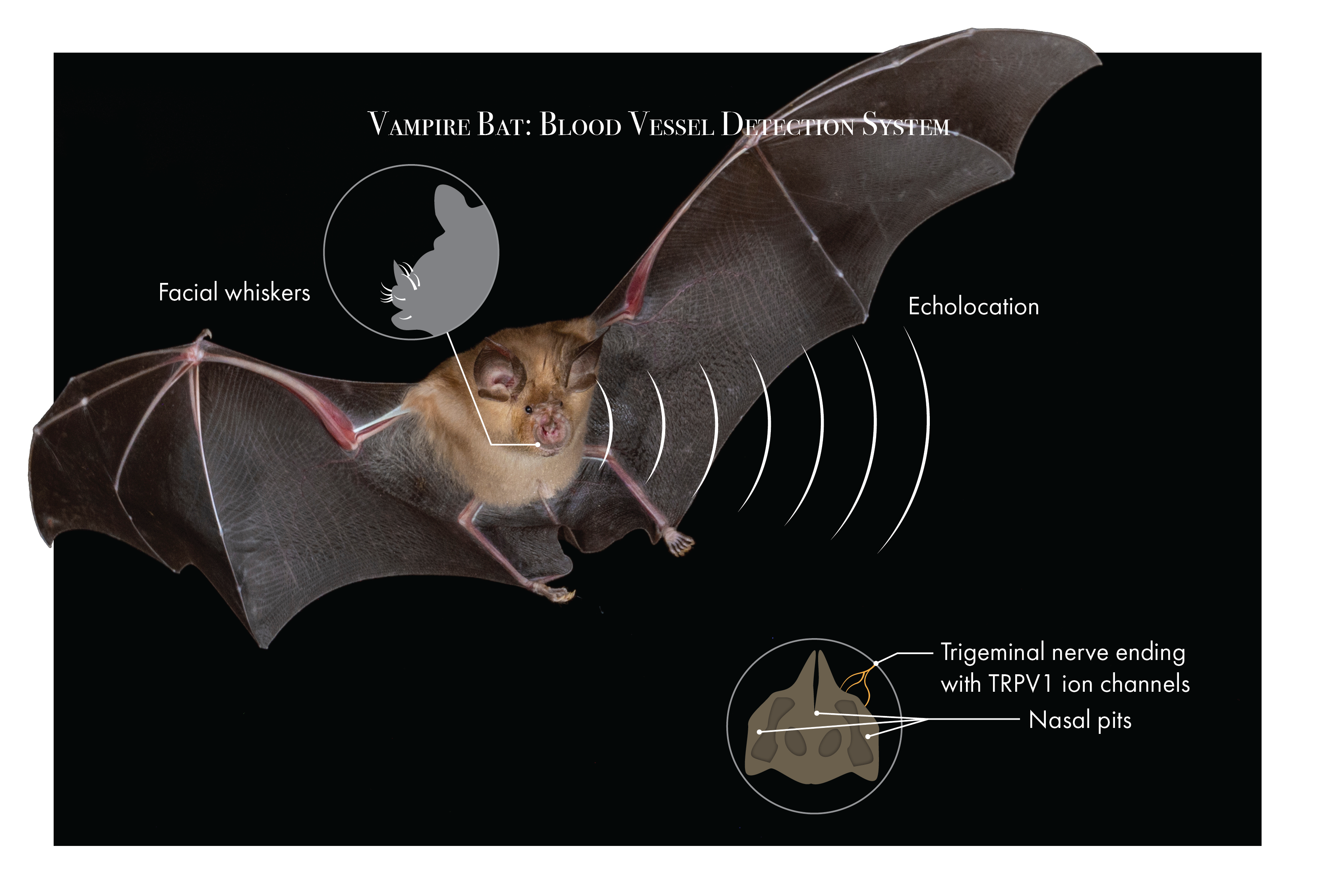
In the midnight Pacific, an anglerfish dangles a living light at 98–99% energy efficiency. In the Namib Desert, a beetle harvests water from morning fog. These are engineering triumphs that routinely outperform our most advanced technologies.

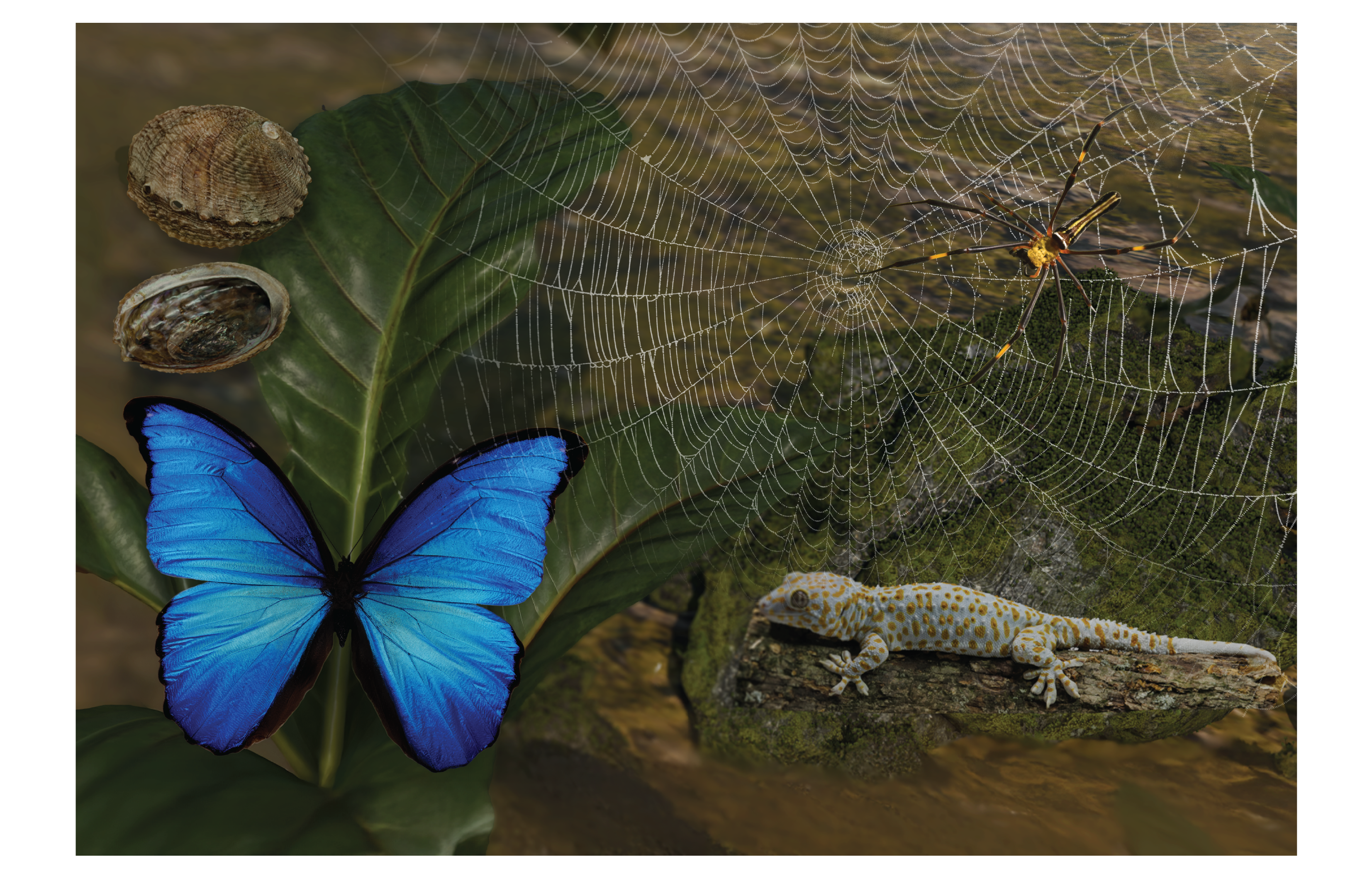
Spider silk stronger than steel, made at room temperature. Gecko adhesion without glue. Butterfly colour without pigment — unchanged for 15 million years.

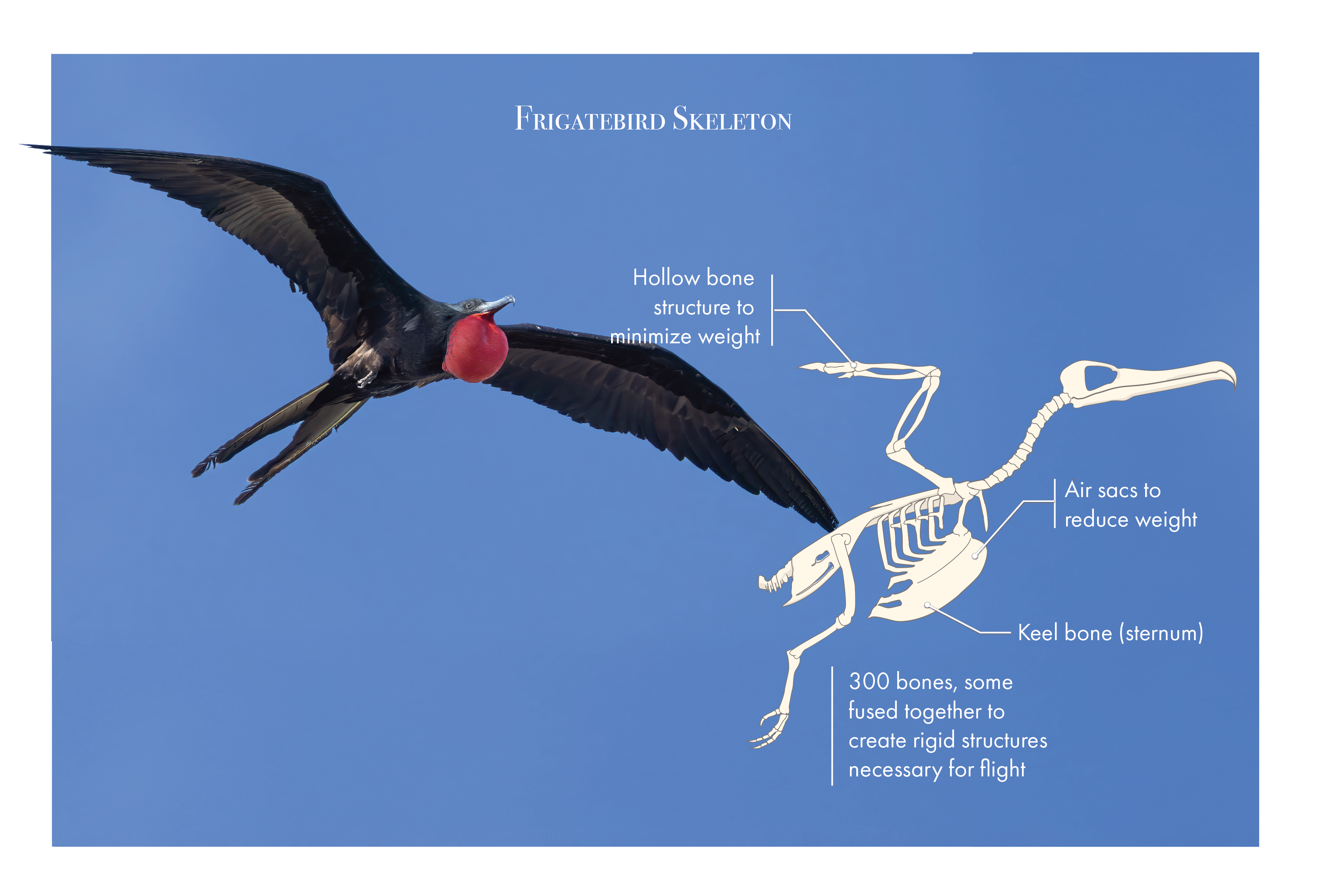
A frigatebird's skeleton weighs less than its feathers. Termites maintain ±1°F while outside temperatures swing 100°F. Bone maximises strength while minimising weight.

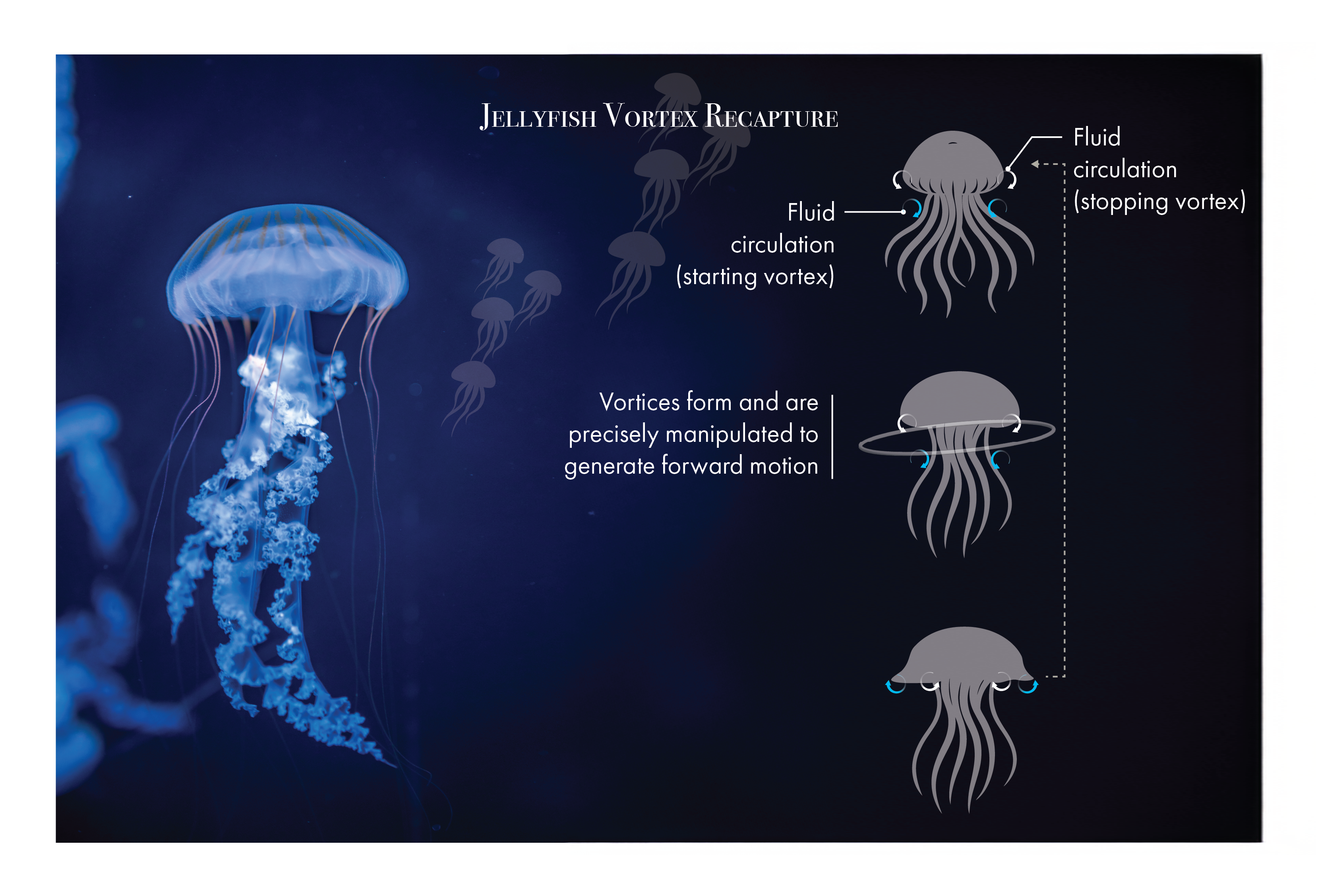
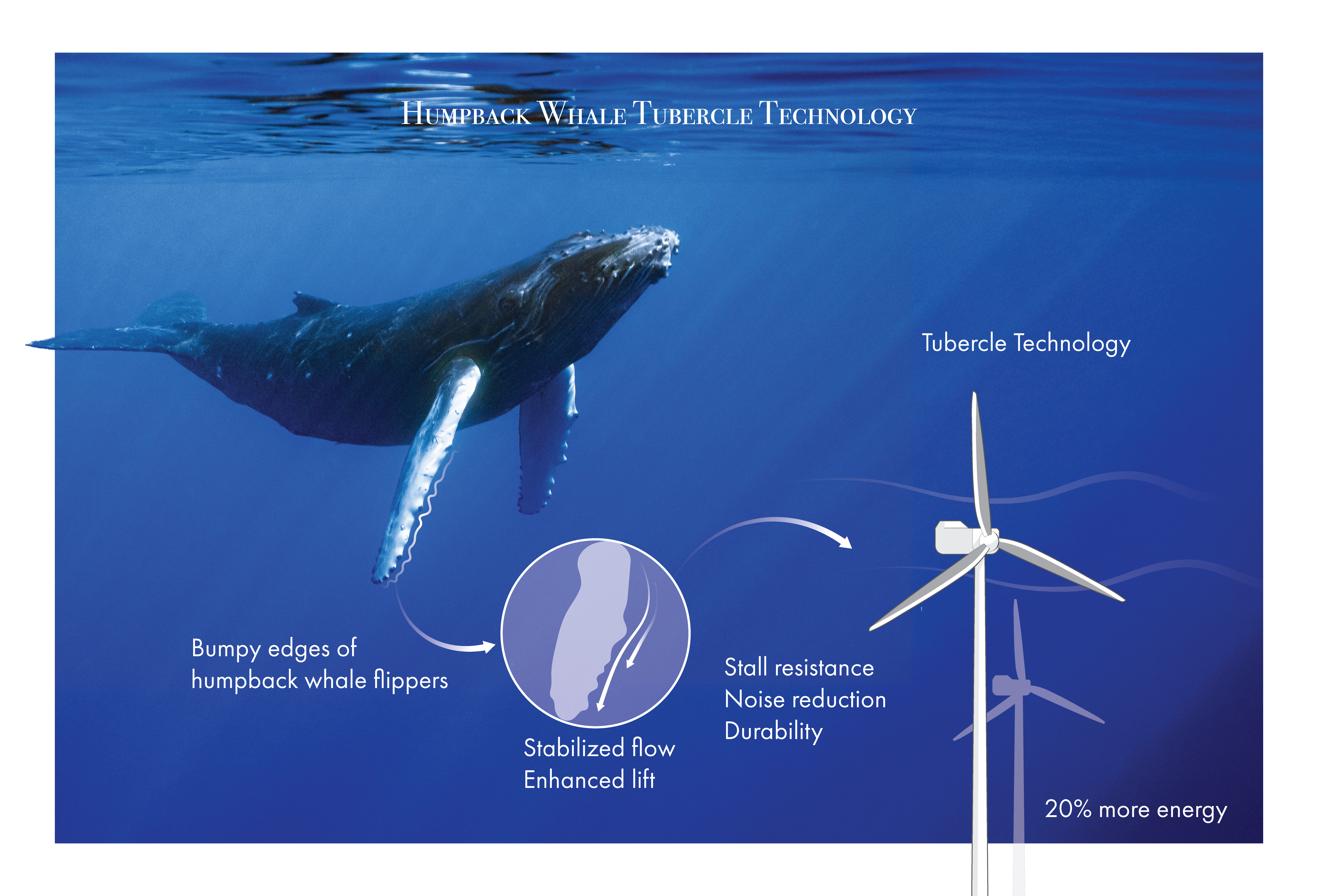
Humpback whale bumpy flippers increase lift by 32% — the opposite of what engineers assumed. The jellyfish moves on near-zero energy by recapturing its own vortices.

The anglerfish produces cold light at 98–99% efficiency — vs. 5% for an incandescent bulb. The hummingbird drops from 1,200 bpm to 50 bpm in torpor.

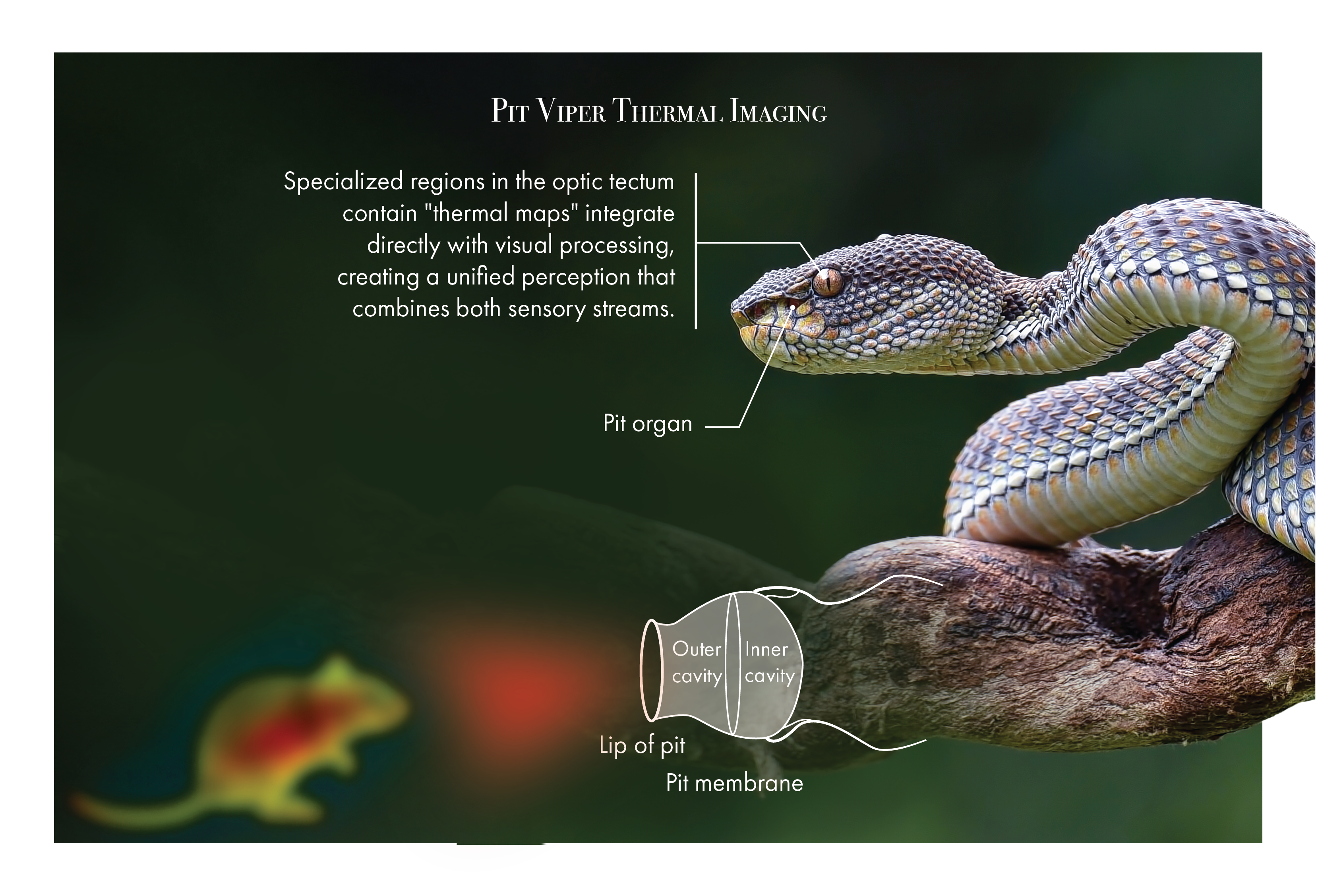
The barn owl locates a mouse in complete darkness from 100 feet — detecting sound differences of three millionths of a second. The pit viper sees heat.

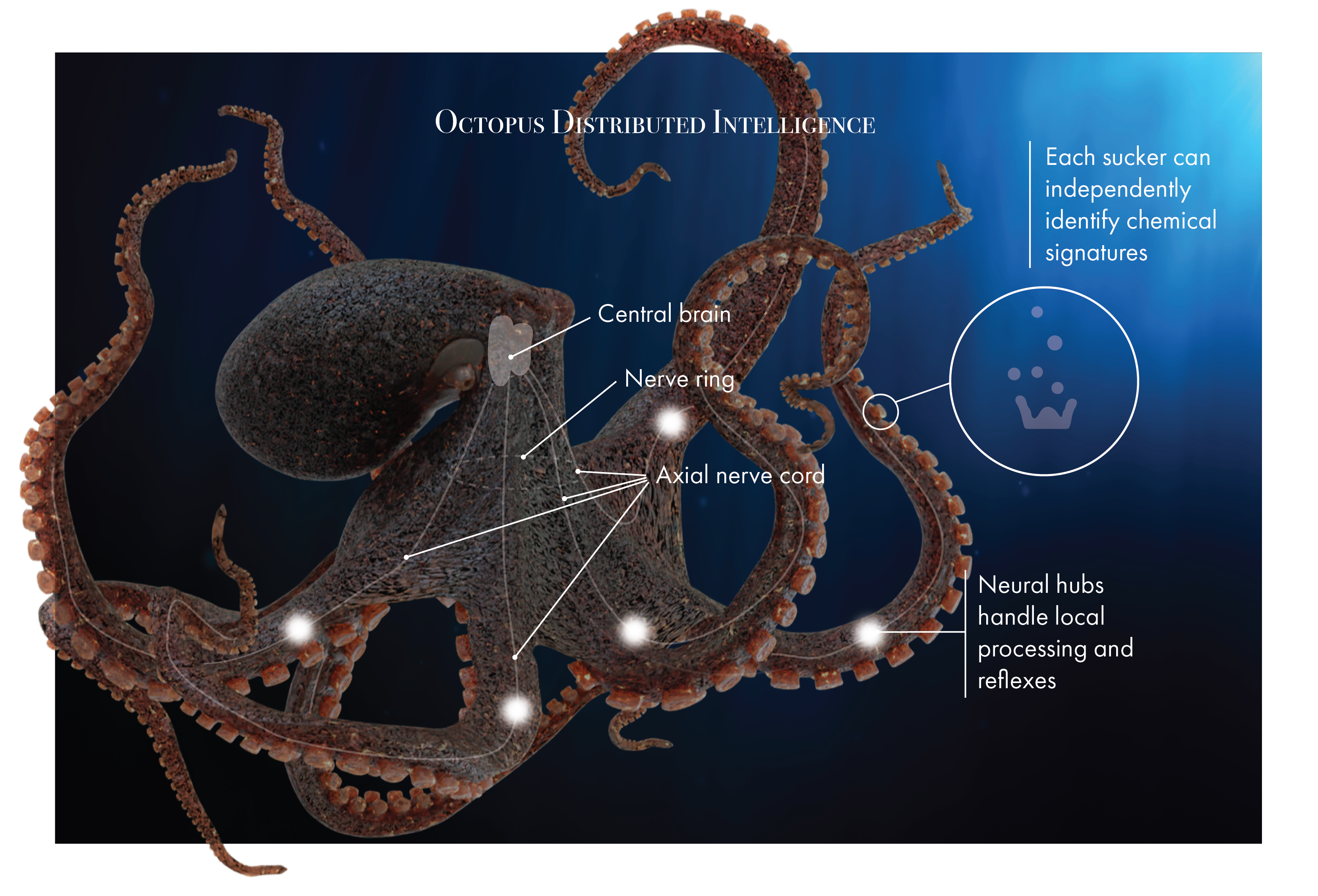
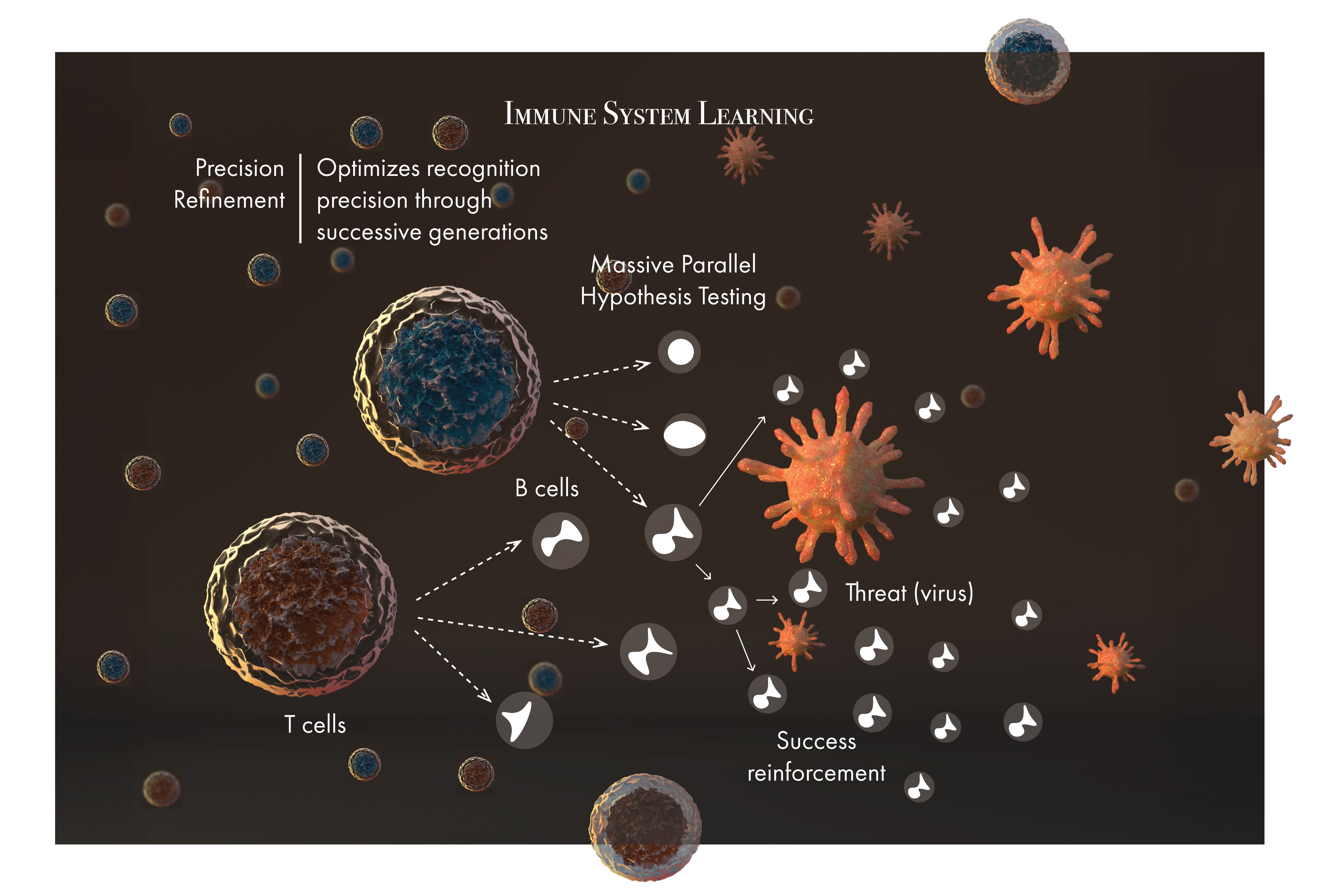
Two-thirds of an octopus's neurons are in its arms. Your immune system runs more sophisticated machine learning than any AI we've built. The forest floor is a living internet.

Tardigrades survive the vacuum of space, then revive. The wood frog freezes solid — 65% of its body water — and thaws in spring without tissue damage.

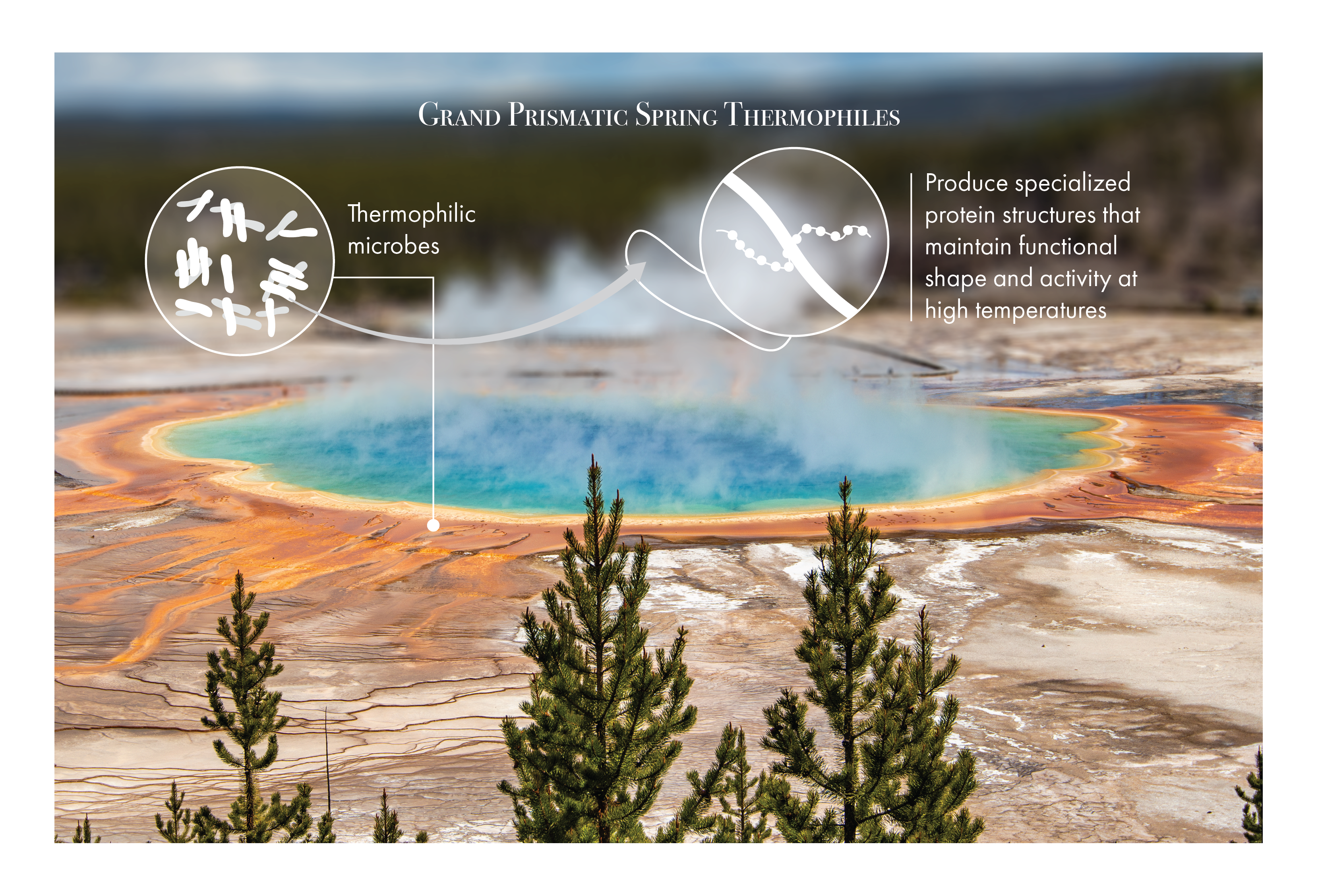
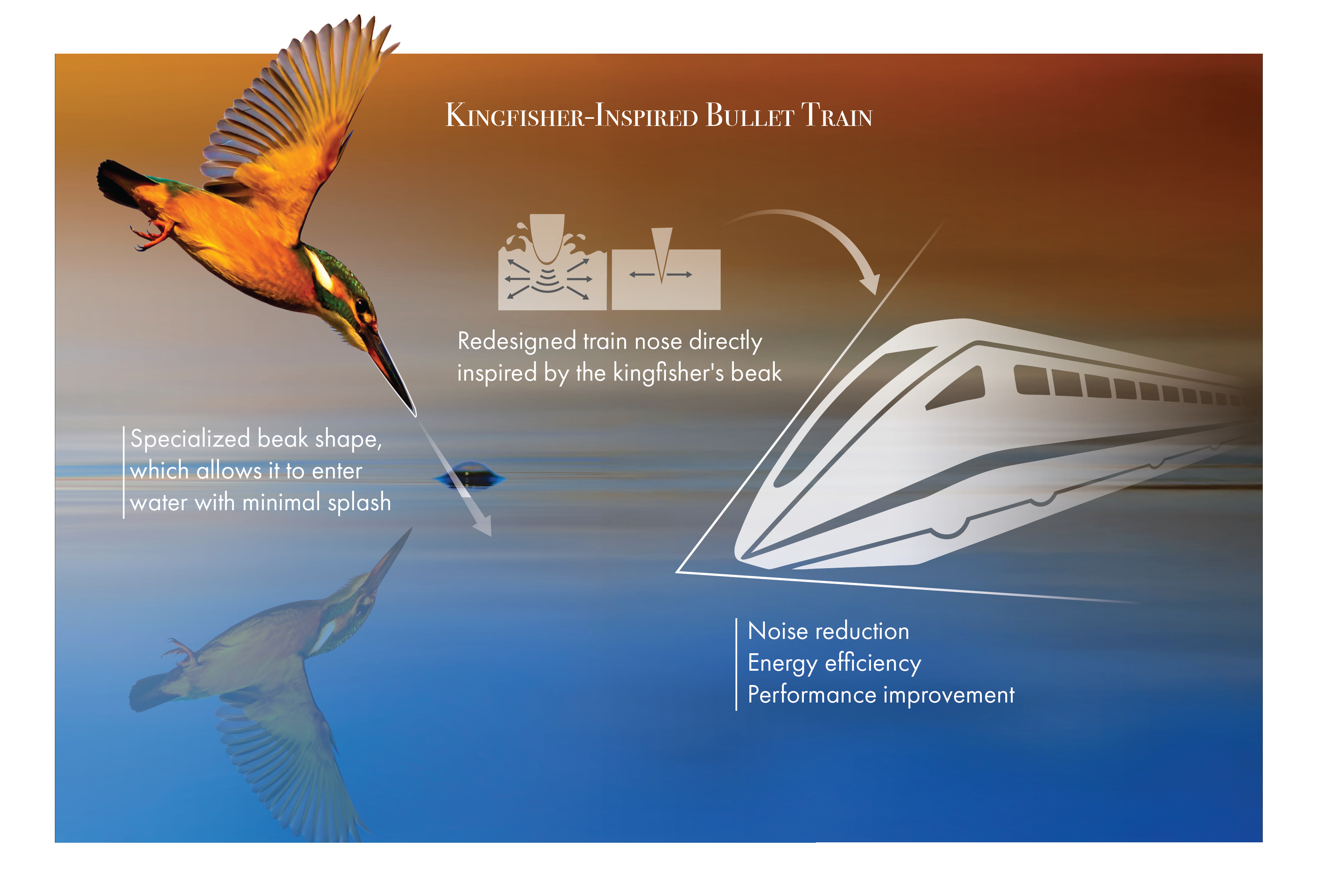
A birdwatcher redesigned the Shinkansen: 30dB quieter, 15% less energy. A termite mound inspired a building with no air conditioning. A hot-spring bacterium unlocked PCR.
1.9 million species named. Between 8 and 10 million more still unknown. And we are losing them at roughly 150 a day.
Begin readingOriginal scientific illustrations throughout — where photography meets precision, and biology becomes architecture.
When we approach nature not as conquerors but as students, we discover that solutions to our most pressing challenges may already exist — tested, refined, and proven through billions of years of evolution.